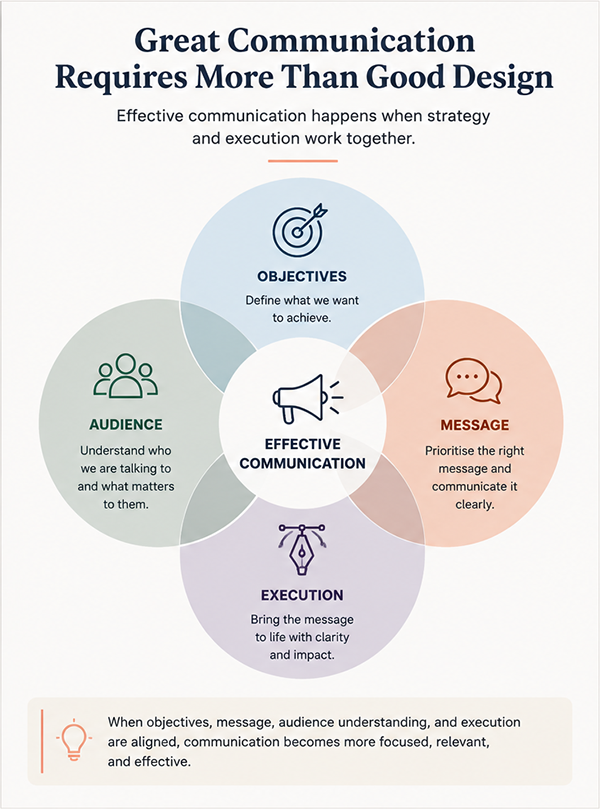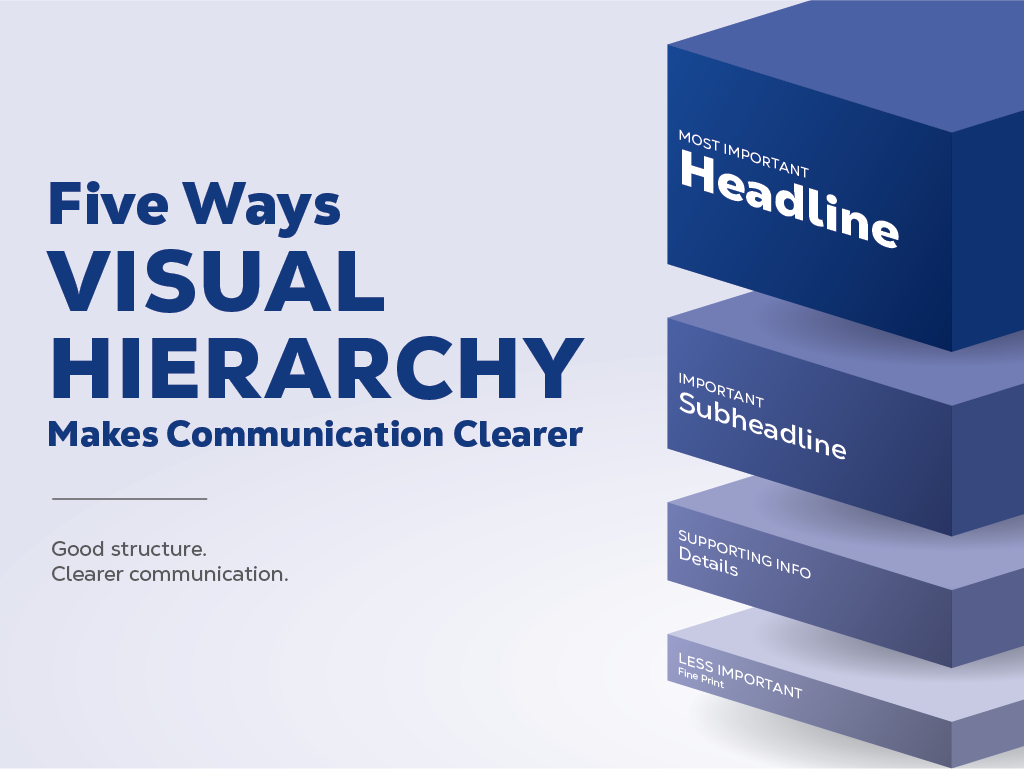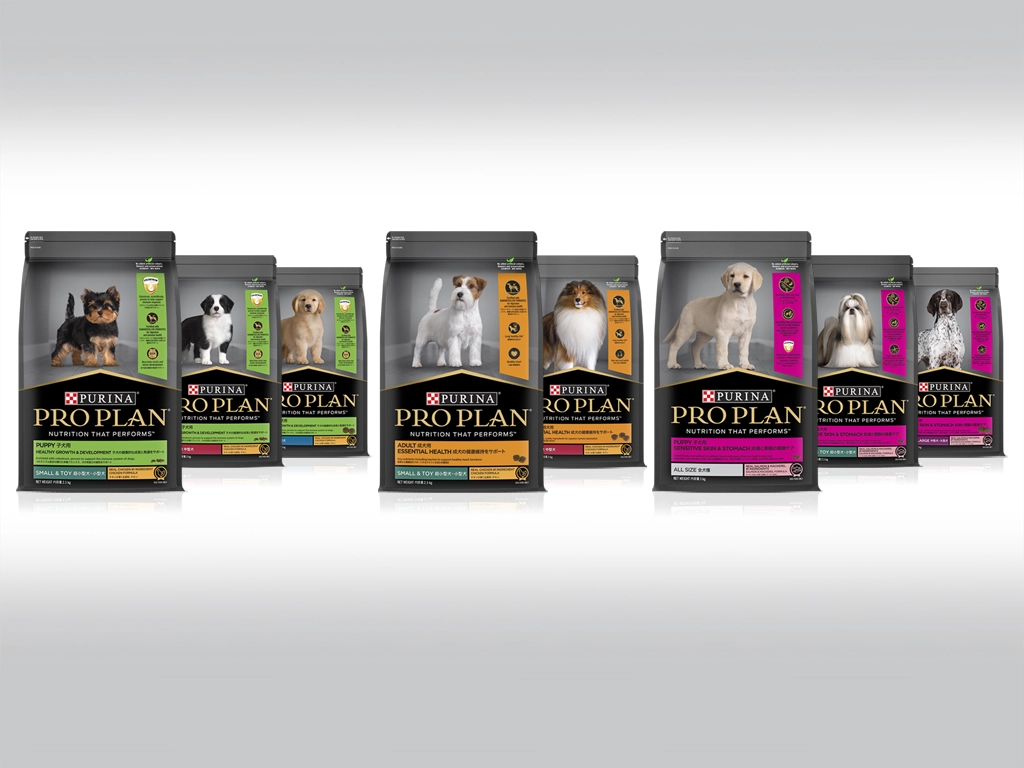
An image can look right and still do the wrong job.
A beautifully styled food photograph might introduce a story about entertaining, but it cannot necessarily show the product your campaign is promoting. A warm lifestyle portrait might convey togetherness, yet leave too little room for the headline your layout needs.
Before deciding between stock and commissioned photography, ask a more useful question: What does the audience need to understand from this image?
The answer helps determine not just where the photograph comes from, but what it needs to contain and how it needs to work.

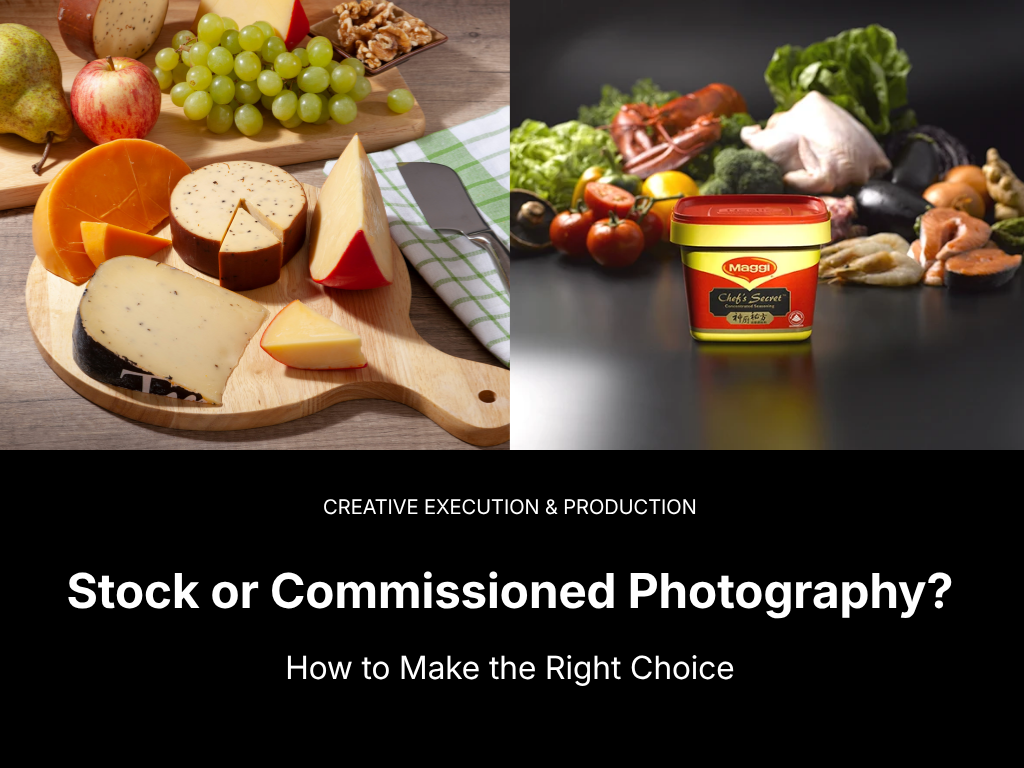
Stock photography: an existing image for a story about serving cheese. by Robert Stedman Pte Ltd.
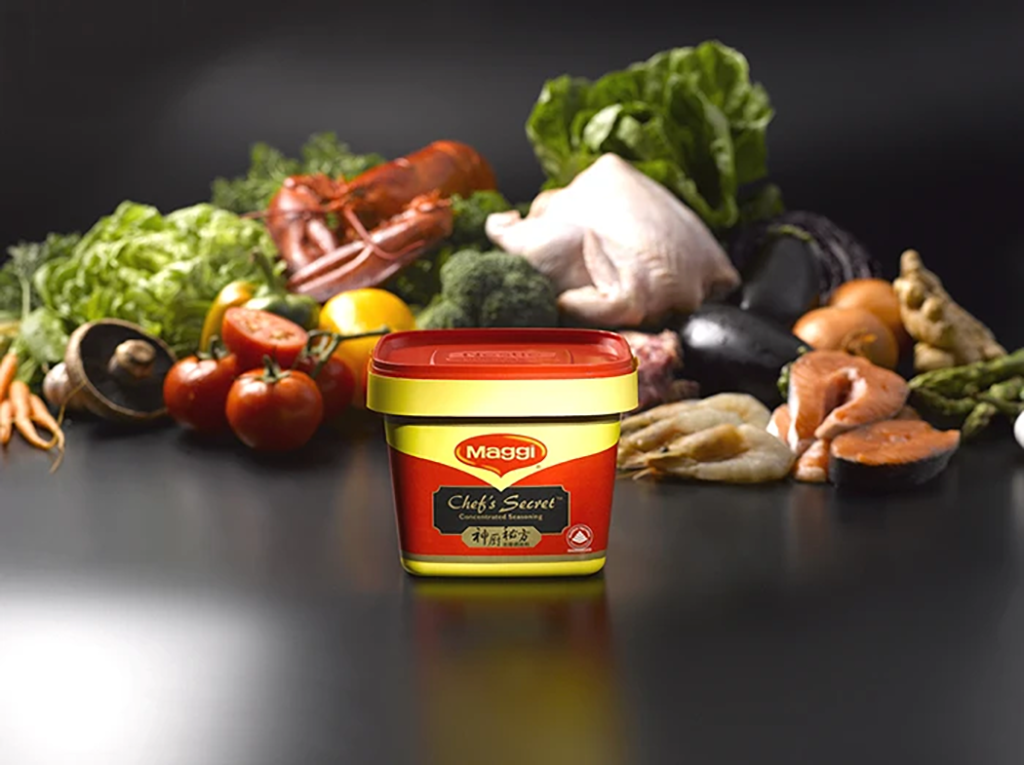
Commissioned photography: a purpose-made image featuring a particular branded product. by Robert Stedman Pte Ltd.
When the Image Introduces a Subject
Imagine an article about putting together a cheese board for guests.
The photograph shown here brings together an assortment of cheeses, fruit, walnuts and a serving knife. It gives the reader an immediate sense of the subject and occasion.
For this hypothetical article, an existing stock photograph could be a suitable choice. The message does not depend on showing a particular retailer’s cheese, an exclusive product range or a specific venue.
The selection still needs thought. Does the styling suit the audience? Does the arrangement support the article? Does the photograph fit the brand’s tone?
An attractive image is a starting point, not the whole selection process.
When the Image Needs to Show Your Product
Now consider a campaign promoting a particular branded food product.
The Maggi photograph does a different job. The pack is the focal point, with its branding visible and a selection of ingredients arranged behind it.
A photograph of cheese or fresh ingredients might support a broader food theme without featuring the specific product being promoted. When product recognition is important to the campaign, the packaging and branding need to be clearly visible and accurately represented.
Commissioning a shoot allows these details to be planned from the outset: the pack’s position, label visibility, supporting props, lighting and relationship between the product and its surroundings.
The distinction is not between ordinary stock and better commissioned photography. It is between an existing photograph that fits the message and one created to meet a specific requirement.
When the Subject Alone Does Not Settle the Choice
Lifestyle photography makes this distinction less obvious.
A photograph of a couple or family could be available as stock or produced for a commissioned campaign. The subject alone does not determine which approach is appropriate. The decision depends on the brief.
An existing image may work when the purpose is to introduce a broad idea such as togetherness or everyday home life. Commissioning may make more sense when the campaign requires a particular casting combination, wardrobe palette, setting, interaction or series of related scenes.
A commissioned lifestyle photograph does not have to depict actual customers. It may use models to communicate a situation. Equally, a stock photograph is not automatically impersonal.
What matters is whether the details support the intended message.

Commissioned lifestyle photography by Robert Stedman Pte Ltd. Subject matter alone does not determine whether stock or commissioned photography is the right choice.
When the Image Must Work Across Several Formats
Choosing a photograph is also a design decision.
An image may need to appear in a blog article, email, social carousel and vertical video. Each placement changes the aspect ratio, available space and relationship between the image and the copy.
In the couple photograph, the people sit towards the centre and right, with a lighter area on the left. That area could accommodate a short headline, depending on the final layout.
But a tighter crop could remove that space. A wide crop could lose parts of the home setting or the couple’s pose. Some formats may require a different image altogether.
This is worth considering before selecting the photograph, not after the design is nearly finished.
For stock photography, assess the available composition against the intended placements. For a commissioned shoot, include those placements in the brief so framing, orientation and copy space can be planned in advance.
Commissioning does not automatically make one photograph suitable for every format. That flexibility needs to be considered during the shoot.
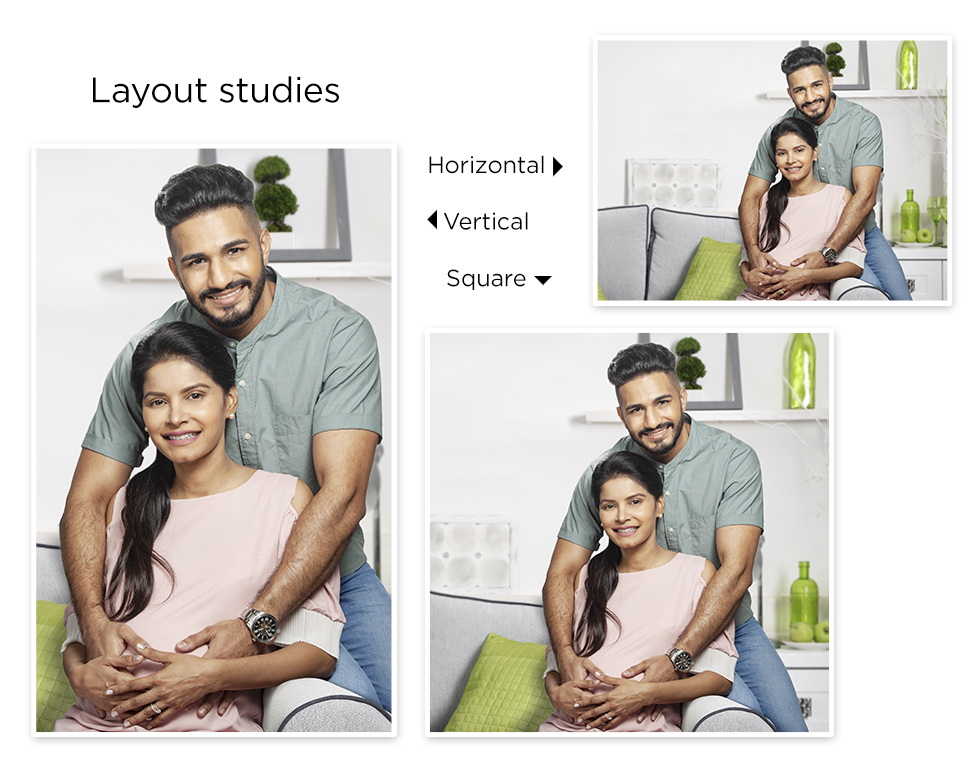
Different formats change what remains in the frame. Plan for the subject, the setting and the space your copy needs.
When a Combination Makes More Sense
A campaign does not always need to rely exclusively on one source.
Commissioned photographs can show the specific product, people or environment central to the message. Stock photographs can support related editorial topics or provide additional context.
The challenge is making the combination feel intentional.
Consider lighting, colour, perspective and styling. The images do not have to look identical, but they should feel as though they belong to the same communication.
Their roles must also be clear. A contextual photograph should not be presented in a way that implies it depicts the brand’s own product, premises or people when it does not.
Combining sources works well when each image has a clear purpose, rather than simply filling an empty space.
A Practical Decision Check
Before searching an image library or briefing a photographer, work through these questions:
- Message: What should the audience understand or recognise from the image?
- Accuracy: Which details must be specific, visible and correct?
- Suitability: Can an existing photograph meet those requirements, or is a purpose-made image needed?
- Layout: Where will the image appear, and what crops or copy space will each placement require?
- Consistency: Does the campaign need one image or a coordinated series?
- Practicalities: What are the budget, timing and usage requirements?
- Licensing: Does the stock-image licence cover the intended use and planned placements?
These questions turn “stock or commissioned?” into a practical production decision. They also help identify the requirements before time and budget are committed.
Choose the Image for the Job
Stock photography is not automatically a compromise. Commissioned photography is not automatically the better choice.
The right approach is the one that communicates what the audience needs to understand, represents the subject appropriately and works in the intended placements.
At Robert Stedman, we approach stock selection and commissioned photography with the same starting point: understanding what the image needs to achieve. That helps determine whether an existing photograph will do the job or whether a purpose-made image is needed.