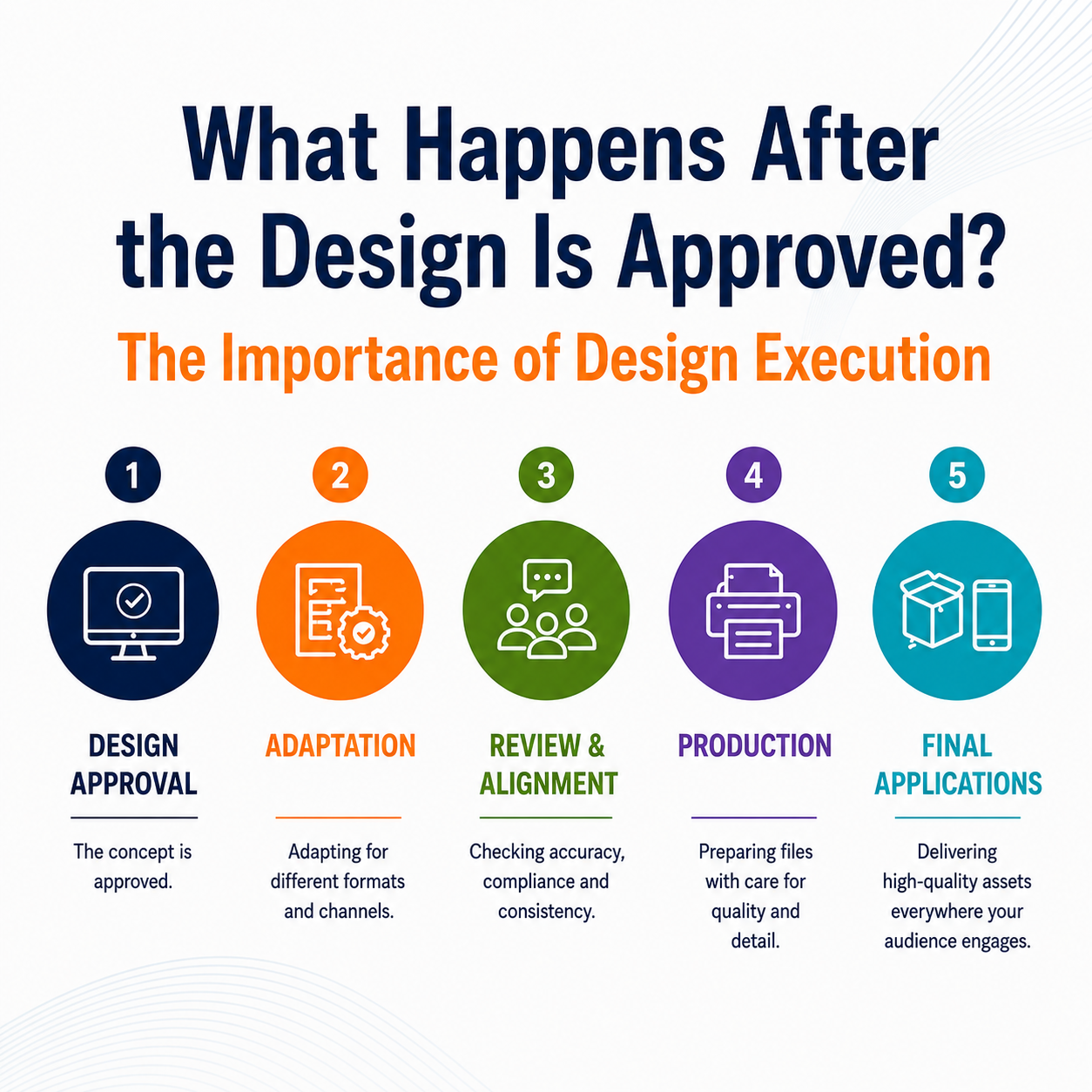
For many marketing projects, design approval feels like a major milestone. After rounds of reviews, revisions, and stakeholder feedback, a concept is finally signed off and ready to move forward.
However, approval is rarely the end of the process.
Before a design reaches consumers, healthcare professionals, or other audiences, it often needs to be adapted, refined, and produced across multiple formats and touchpoints. What appears to be a completed design is usually just the starting point of a much larger execution process.
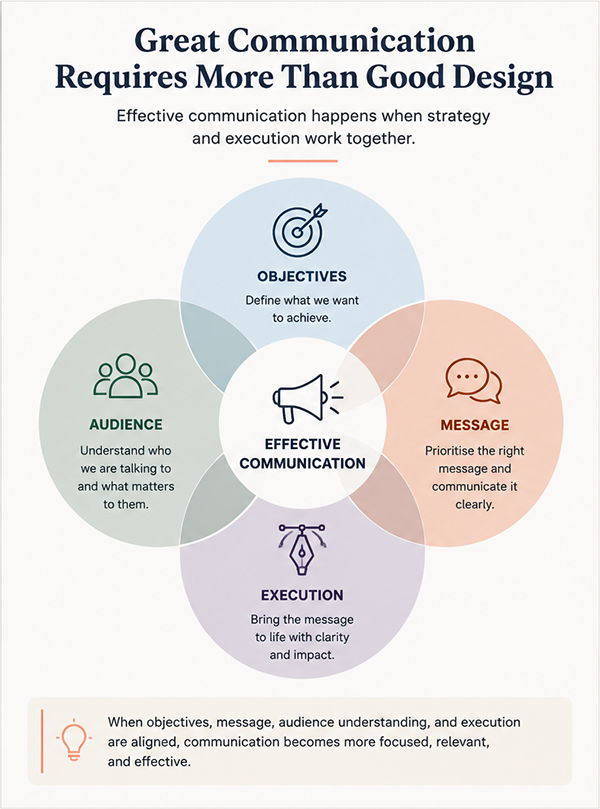
The success of a campaign, packaging design, or communication material depends not only on the quality of the original concept, but also on how effectively that concept is carried through to its final applications.
From Design Approval to Real-World Applications
A design is often approved in a specific context, such as a packaging mock-up, brochure layout, or campaign visual.
In reality, that same design may need to appear across a wide range of materials, including packaging, point-of-sale displays, digital advertisements, sales collateral, event materials, and healthcare communication tools.
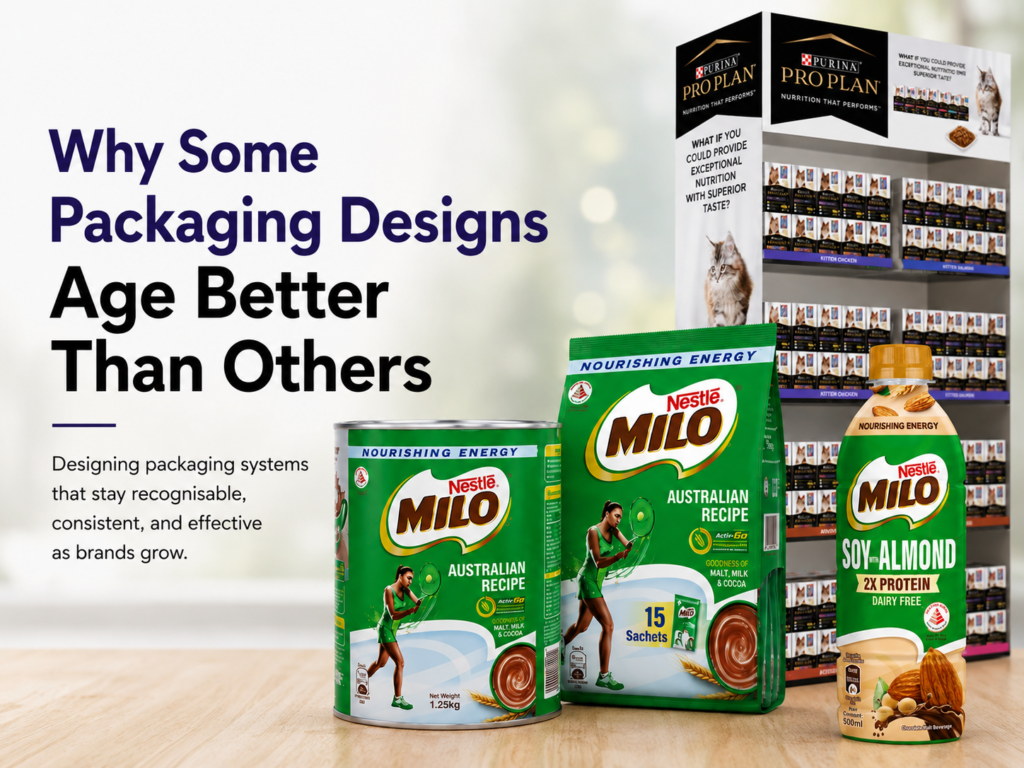
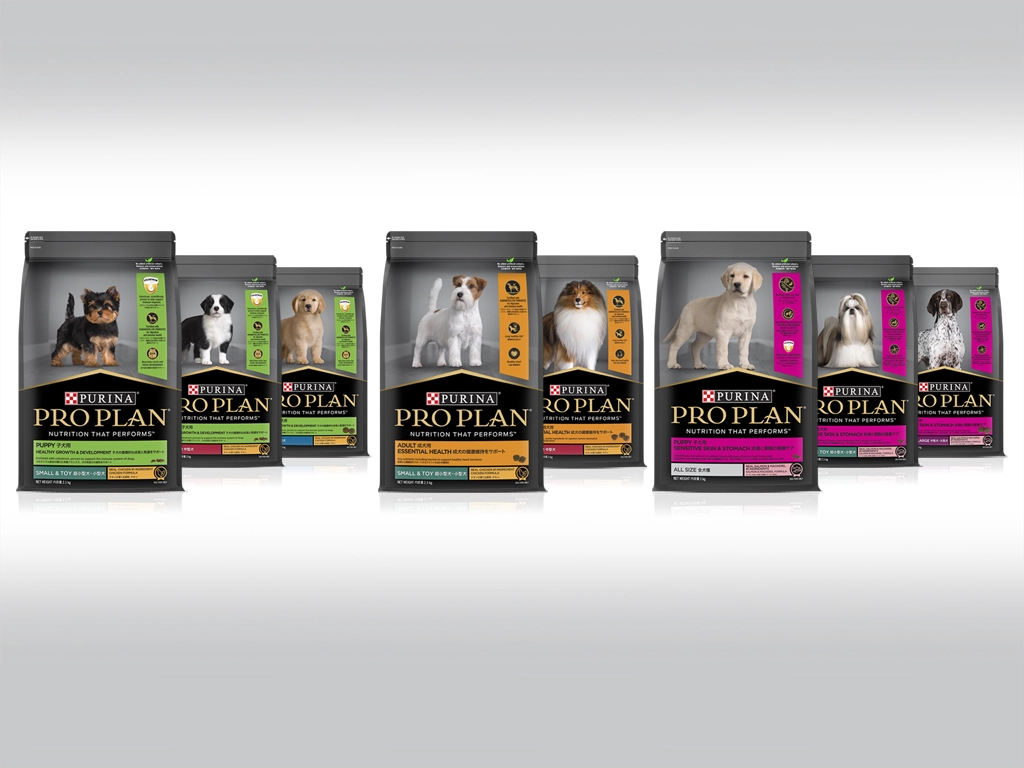
For example, a packaging design may initially be approved for a single product. However, it often needs to be adapted across multiple SKUs, pack sizes, promotional variants, retail displays, and digital marketing assets. What begins as a single approved design can quickly become dozens of interconnected assets that require careful coordination.
Each application introduces its own requirements and constraints. A product label may need additional regulatory information, while a digital banner may require content to be simplified for a smaller viewing area.
The challenge is not simply reproducing the design. It preserves the original design intent while adapting it to different formats and environments.
Maintaining Consistency Across Touchpoints
As designs move across multiple channels, maintaining consistency becomes increasingly important.
Every adaptation creates opportunities for variation. Images may be cropped differently. Content may expand or contract. Specifications may change. New stakeholders may become involved. Additional requirements may emerge as projects develop.
Over time, even small inconsistencies can begin to affect how a brand is presented.
Consistency is often associated with logos, colours, and brand guidelines. In practice, it also involves maintaining the overall look, feel, and integrity of a design across every application.
Creating the first asset is only the beginning. The real test is ensuring that the twentieth asset still reflects the same quality and intent as the first.
In practice, design adaptation often takes place alongside evolving requirements, tight timelines, and multiple rounds of review. Product information may be updated, promotional messages may change, new formats may be introduced, and market-specific requirements may need to be accommodated. Preserving the integrity of the original design while responding to these changes requires careful attention throughout the execution process.
The Production Details That Influence Quality
Many aspects of production go unnoticed when they are done well. Yet these details can have a significant impact on how design is ultimately experienced.
Colour accuracy, image reproduction, typography, material selection, and file preparation all contribute to the final outcome.
Behind the scenes, this often involves production artwork preparation, pre-press checks, colour management, press approvals, and production oversight. These processes help ensure that the approved design is reproduced accurately and consistently in its final form.
Consider packaging where colour plays an important role in differentiating product variants on the shelf. Small variations in colour reproduction may appear minor during artwork review but can affect how products are identified and perceived in a retail environment.
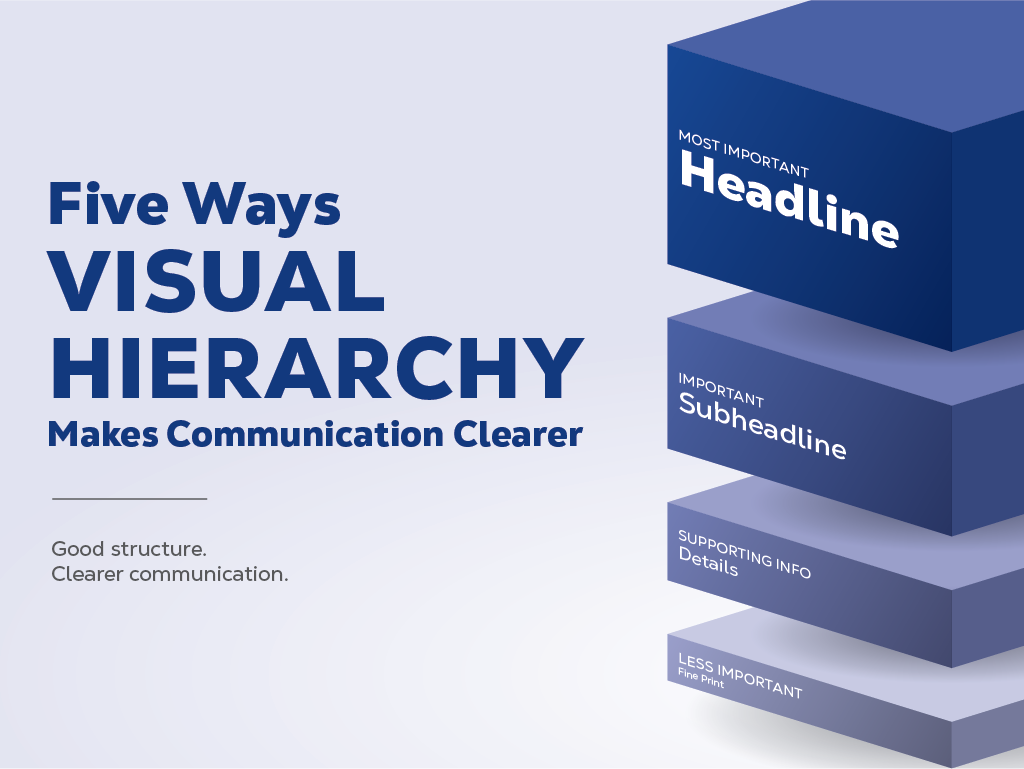
Similarly, typography that is legible in a design presentation may become difficult to read when reduced in size on packaging or printed materials. In healthcare communications, the accurate presentation of tables, charts, and technical information is equally important to maintaining clarity and readability.
While these considerations may seem minor individually, their cumulative impact can significantly influence the quality of the final communication material.
Why Execution Matters
Strong execution does more than preserve design quality. It also helps organisations manage projects more effectively.
When design adaptations and production requirements are carefully managed, teams can reduce unnecessary revisions, minimise rework, and avoid delays caused by inconsistent or incorrect assets.
This becomes increasingly important as campaigns expand across multiple channels, product lines, or markets.
Good execution helps ensure that approved designs can be implemented efficiently, consistently, and with fewer surprises along the way.
Conclusion
Design approval is an important milestone, but it is not the finish line.
The journey from approved design to finished communication material often involves numerous adaptations, production considerations, and quality checks. These behind-the-scenes processes play an important role in ensuring that the original design intent remains intact across every touchpoint.
While audiences may never see the work involved, they experience the results every time they interact with a brand, product, or communication material.
Great design is important. Ensuring that the design works consistently in the real world is equally important.