Before the visuals: what should stay consistent, and what should change?

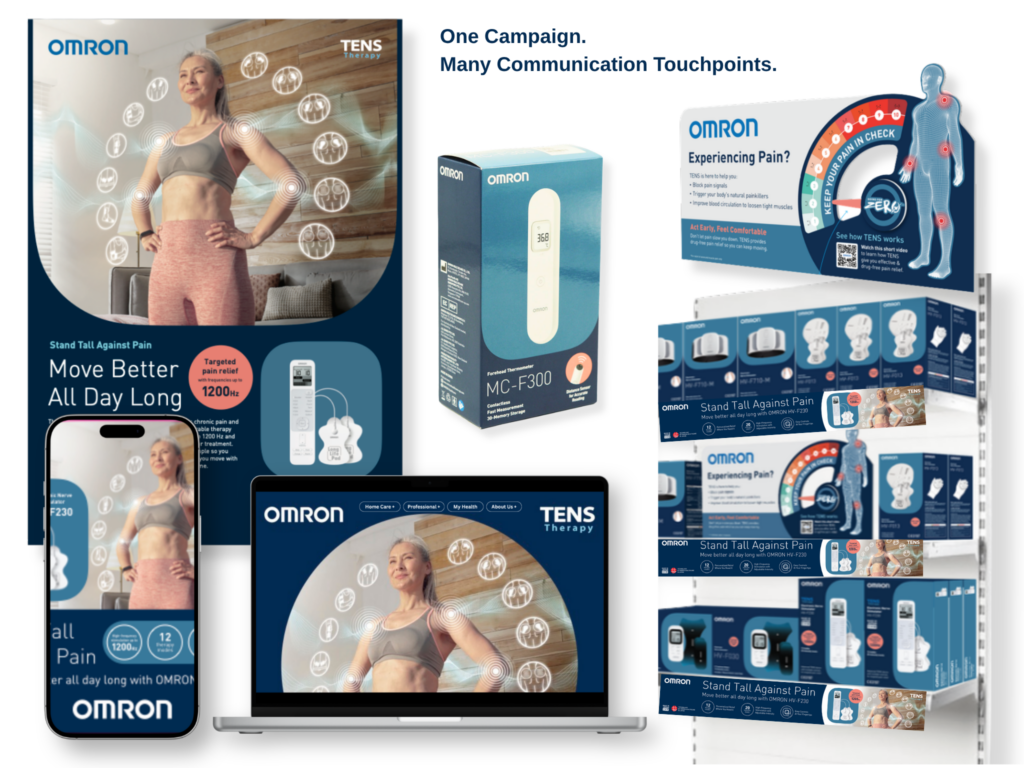
LI & BLOG One Campaign. Many Communication Touchpoints.

A packaging range has two jobs that can pull in different directions. It needs to feel like a family, while helping people distinguish one product from another.

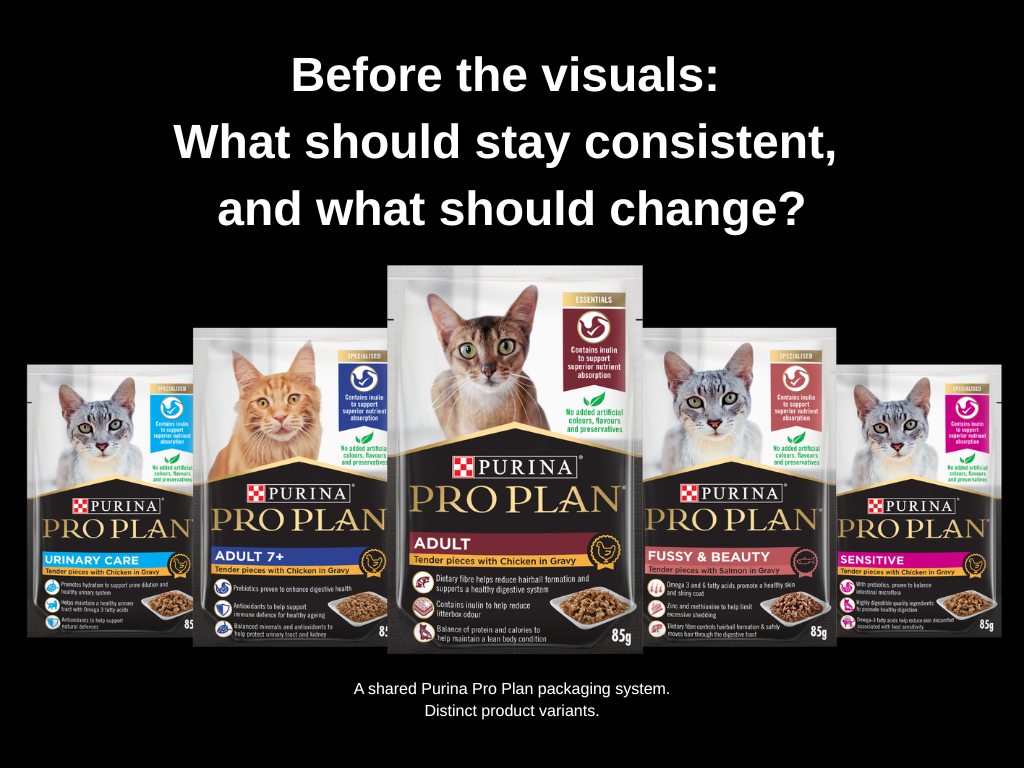
Across the Purina Pro Plan packaging, the brand identity and overall layout remain consistent, while product names, colours, cat imagery and supporting panels vary. Together, the packshots offer a useful way to explore the decisions a packaging brief should settle.

1. Which cues are fixed across the range?

A brand mark, layout or other repeated visual element can help connect products as a family. The brief should identify which cues need to remain consistent across the range.

2. What needs to change for each product?

Variant names, colours and imagery can help distinguish products. The brief should clarify which differences matter to the customer, and how they should be expressed without losing the connection to the wider range.

3. What should be understood at a glance, and what can be read more closely?

Not every detail can lead. Decide what people need to recognise first, what helps them compare options, and what supporting information needs to remain available. Required product copy should be confirmed by the relevant client reviewers.

4. Where will the packaging be seen?

A pack may appear on a shelf, in a product listing or in other marketing materials. The brief should identify which parts of the system need to remain clear across those contexts, and where the design may need to adapt.

5. Who decides when priorities compete?

Marketing, product, sales, operations and regulatory reviewers may all have useful input. Agree which requirements are non-negotiable, who approves product information, and how concepts will be assessed against the brief. Otherwise, each review can introduce another priority without resolving the trade-offs.

A packaging brief does more than list what belongs on the pack. It defines the rules of the system: what holds the range together, what distinguishes each product, and how the team will make choices when those goals compete.

The question to settle before design begins is simple: what should stay consistent, and what must change?
Other Blogs

When to Use Stock Photography and When to Commission a Shoot

An image can look right and still do the wrong job. A beautifully styled food photograph might introduce a story about entertaining, but it cannot necessarily show the product your campaign is promoting. A warm lifestyle portrait might convey togetherness, yet leave too little room for the headline your layout needs. Before deciding between stock…

...See more

One Campaign. Many Communication Touchpoints.

Why Consistency Doesn’t Mean Saying the Same Thing Everywhere A successful marketing campaign rarely exists in a single format. A product launch, corporate initiative or healthcare campaign may include packaging, advertising, social media, websites, brochures, videos, email campaigns, sales presentations and point-of-sale materials. Each communication touchpoint serves a different purpose and reaches the audience in…

...See more

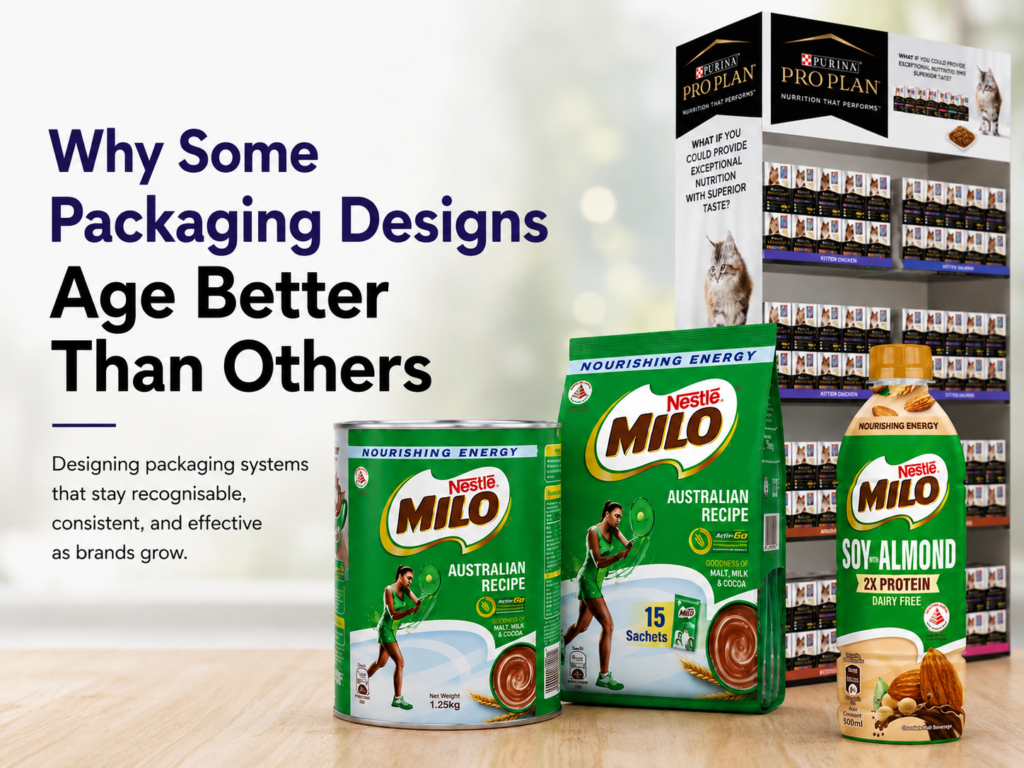
Why Some Packaging Designs Age Better Than Others

Many packaging design projects are judged at launch. The new design is approved. The products arrive on shelves. Internal stakeholders are pleased with the outcome. The project is considered complete. However, the true test of packaging design often comes much later. As brands expand their product portfolios, introduce new variants, enter new markets, or update…

...See more

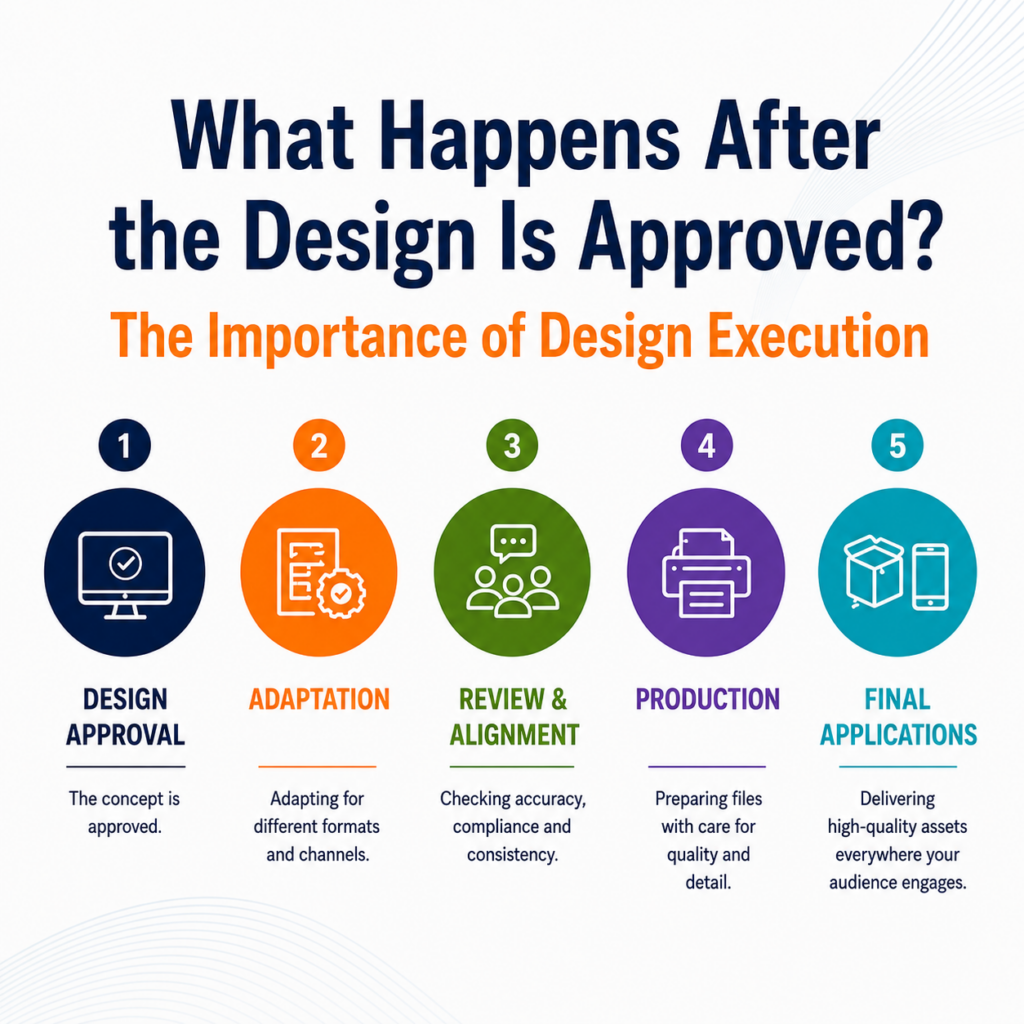
What Happens After the Design Is Approved? The Importance of Design Execution

For many marketing projects, design approval feels like a major milestone. After rounds of reviews, revisions, and stakeholder feedback, a concept is finally signed off and ready to move forward. However, approval is rarely the end of the process. Before a design reaches consumers, healthcare professionals, or other audiences, it often needs to be adapted,…

...See more

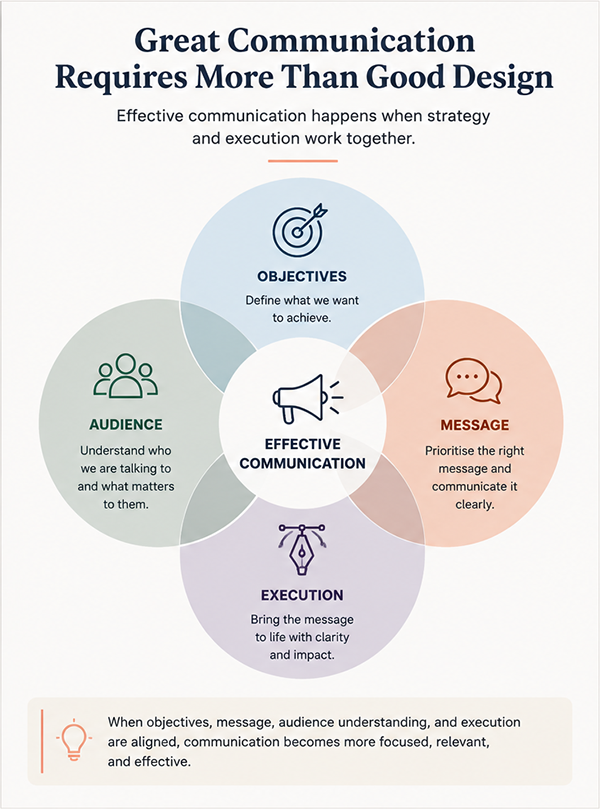
Why Great Design Still Fails to Communicate

For many marketing projects, design approval feels like a major milestone. After rounds of reviews, revisions, and stakeholder feedback, a concept is finally signed off and ready to move forward. However, approval is rarely the end of the process. Before a design reaches consumers, healthcare professionals, or other audiences, it often needs to be adapted,…

...See more

Five Ways “Visual Hierarchy” Makes Communication Clearer

Let’s face it, people are busy, and time is precious. Whether they’re reading packaging, scrolling a website, or flicking through a presentation, they’re making quick decisions about what’s worth their attention — and what isn’t. They move fast because of the volume of visual and textual information. When information is poorly structured, it doesn’t matter…

...See more

Top 5 Timeless Principles of Effective Logo Design

A well-designed logo is more than just a visual symbol; it’s the embodiment of a brand’s identity and values. It represents the brand. Crafting a logo that stands the test of time involves adhering to certain principles that consistently result in successful designs. Here are the top five timeless principles of effective logo design. 1….

...See more

10 Graphic Design Trends to Watch in 2025

The world of graphic design is ever-changing, with new trends emerging every year. In 2025, several exciting trends are set to take center stage, transforming how we approach visual communication. In this article, we explore the top 10 graphic design trends to keep an eye on. 1. Minimalist Design Minimalist graphic design continues to be a popular choice, highlighting simplicity, clean…

...See more

Speed, Impact, and Consistency: Graphic Design for FMCG

In the dynamic FMCG industry, where differentiation, brand consistency, and agility are important, Robert Stedman provides innovative graphic design solutions. Consumer Engagement and LoyaltyBuilding and maintaining consumer loyalty requires engaging and memorable branding. Through engaging visuals and meaningful narratives across packaging and in-store displays, we craft emotional connections that support consumer loyalty. Keeping Pace with…

...See more

How to Use Colour to Influence Emotions in Graphic Design

In graphic design, colour is one of the most powerful tools at your disposal. The right colour palette can encourage specific emotions, convey messages, and create an impactful visual experience. Whether you’re designing a website, a logo, or a marketing campaign, understanding how to use colour to influence emotions is essential. In this blog, we’ll…

...See more
Scroll to Top