Why Consistency Doesn’t Mean Saying the Same Thing Everywhere
A successful marketing campaign rarely exists in a single format.
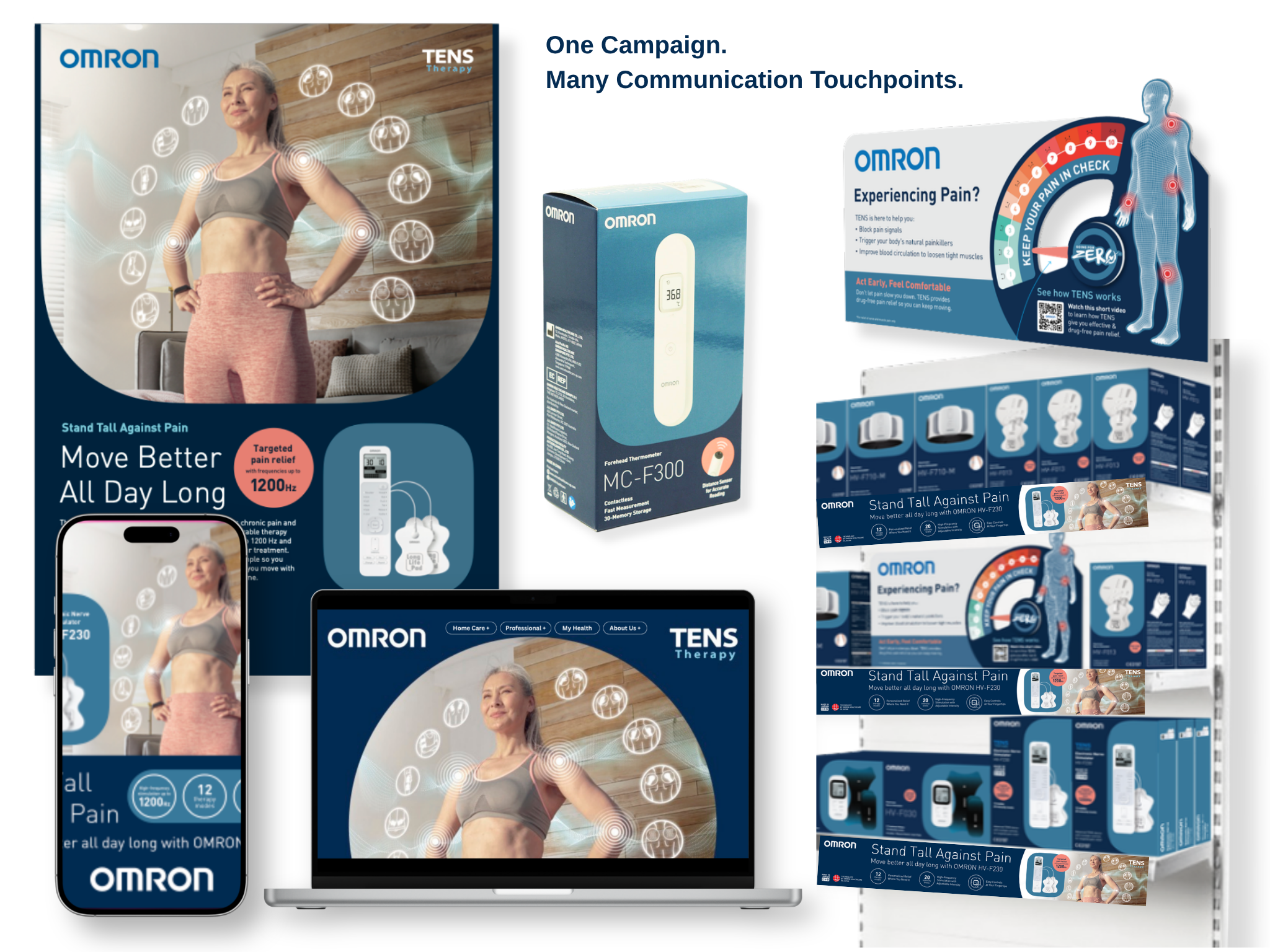
A product launch, corporate initiative or healthcare campaign may include packaging, advertising, social media, websites, brochures, videos, email campaigns, sales presentations and point-of-sale materials. Each communication touchpoint serves a different purpose and reaches the audience in a different context.
The challenge for marketing teams isn’t simply producing all these assets.
It’s ensuring they work together to communicate one campaign idea.
Many discussions about integrated marketing focus on maintaining consistency across channels. Consistency is important, but it doesn’t mean every communication touchpoint should deliver exactly the same message in exactly the same way.
In fact, repeating identical messaging across every touchpoint can reduce the effectiveness of the campaign.
The objective is not repetition.
It is relevance.
The Difference Between Consistency and Repetition
A common misconception is that consistency means making every communication asset look and sound alike.
In reality, consistency comes from maintaining a common campaign idea while adapting the message to suit the audience, the context and the purpose of each touchpoint.
For example, the message a shopper needs when standing in front of a supermarket shelf is very different from the information they need when researching a product online.
Likewise, a healthcare professional reviewing clinical information requires a different level of detail from someone seeing a LinkedIn post introducing a new product or service.
The campaign remains consistent.
The communication adapts.
Three Things Every Campaign Should Consider
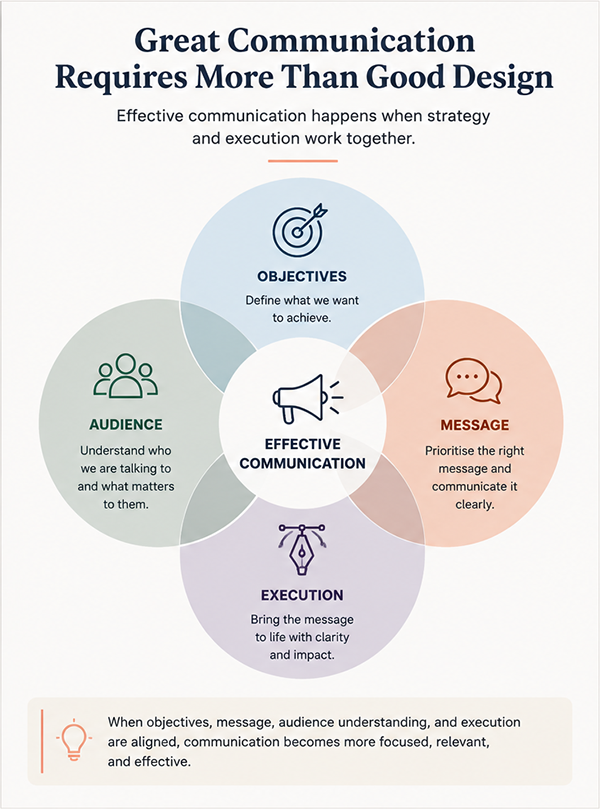
When developing communication across multiple touchpoints, it can be helpful to think about three distinct layers.
1. The Campaign Idea
This is the central thought that connects every communication asset.
It should remain consistent regardless of where the audience encounters the campaign.
2. The Message
While the campaign idea remains constant, the message should be adapted to the audience and the situation.
Some touchpoints introduce the campaign.
Others explain it.
Others provide evidence or encourage action.
Not every communication asset needs to tell the entire story.
3. The Execution
Every medium has its own strengths and limitations.
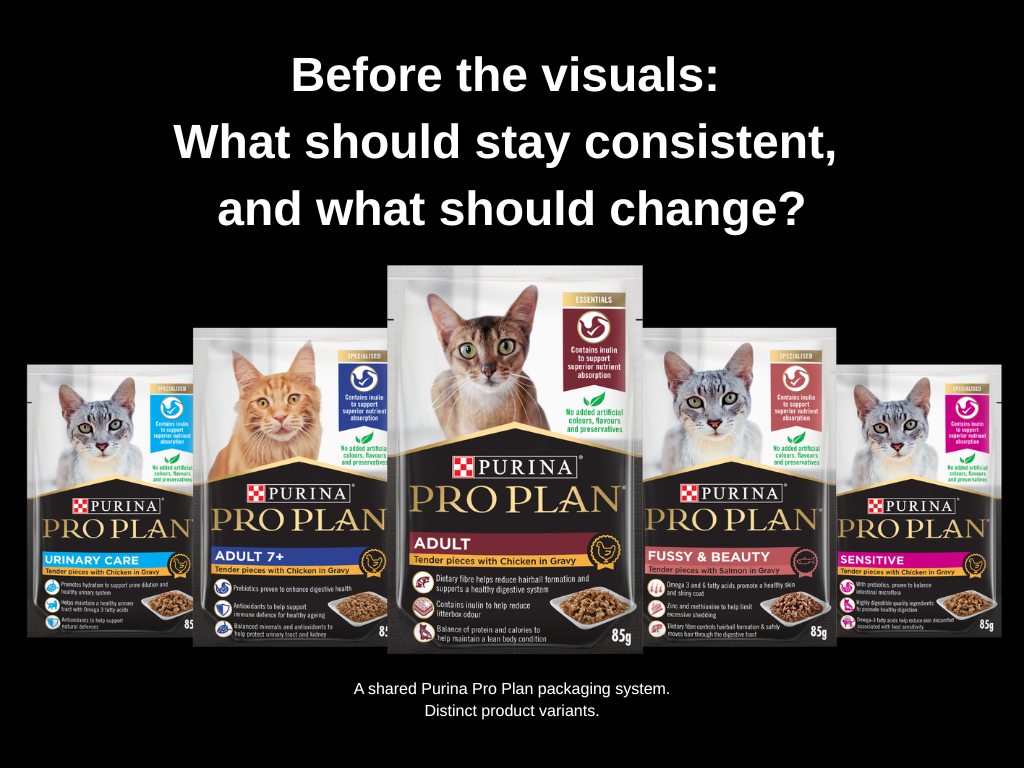
Packaging has limited space and only a few moments to capture attention.
A website allows greater depth and interaction.
A video can demonstrate movement and emotion.
A sales presentation supports discussion and questions.
Rather than forcing every asset to communicate in the same way, effective campaigns make the most of what each medium does best.
One Campaign, Different Roles
Consider a new FMCG product launch.
The social media campaign creates awareness and curiosity.
The product packaging helps shoppers recognise the product quickly and understand its key benefit.
The website provides more detailed product information.
A recipe video demonstrates how the product can be used.
Point-of-sale materials reinforce the campaign at the point of purchase.
Each touchpoint contributes differently, but together they support the same campaign idea.
The same principle applies in healthcare communications.
A LinkedIn post may introduce a new solution.
A product webpage explains its features and intended use.
A clinical brochure provides supporting evidence.
A sales presentation enables more detailed discussions with healthcare professionals.
An instruction guide supports correct product use.
The campaign remains unified, while each communication touchpoint performs the role it is best suited for.
Questions Worth Asking Before Creating the Next Asset
As campaigns grow, new communication assets are often added to meet evolving business needs. Each serves a purpose, but adding another asset shouldn’t mean simply repeating existing content.
Before developing a new communication touchpoint, consider:
- What does the audience need to know at this stage?
- What is the primary purpose of this touchpoint?
- How does it support the overall campaign idea?
- Does it add value, or simply repeat information already communicated elsewhere?
These questions can help marketing teams create communication that is more focused, more relevant and ultimately more effective.
Creative Execution That Brings Campaigns Together
An integrated campaign is not a collection of identical marketing assets.
It is a collection of complementary communication assets, each designed to perform its role while contributing to a shared objective.
At Robert Stedman, we’ve spent decades helping organisations translate a single campaign idea into packaging, brochures, photography, videos, digital assets, sales materials and other communication touchpoints. Our focus is not simply on maintaining visual consistency, but on ensuring every asset supports the campaign in the way it is intended to.
Because when every communication touchpoint is designed with purpose, the campaign becomes more than a series of individual assets.
It becomes a cohesive communication experience.